
Logistics plays a vital role in keeping businesses, construction projects, retailers and supply chains moving efficiently across the UK. From transporting goods between suppliers and warehouses to completing final-mile deliveries, every stage of the logistics process needs careful planning and coordination.
However, businesses can face a wide range of logistics challenges. Traffic congestion, rising operating costs, driver shortages, unpredictable weather, changing customer expectations and complex regulations can all affect delivery schedules and operational efficiency.
The good news is that many of these challenges can be managed with the right approach. By improving planning, adopting suitable technology and building greater flexibility into logistics operations, businesses can reduce disruption and maintain reliable supply chains.
What Are the Main Logistics Challenges in the UK?
Logistics challenges can vary depending on the size and type of business, but several issues are common across the UK.
1. Traffic Congestion and Delays
Road transport remains an important part of UK logistics. Unfortunately, congestion on major motorways, urban roads and busy delivery routes can create significant delays.
Unexpected road closures, accidents, temporary roadworks and peak travel periods can make journey times difficult to predict. Delays can then have a knock-on effect, causing missed delivery windows and disrupting warehouse or production schedules.
How to Overcome It
Businesses can improve reliability by using route-planning and fleet-management technology. Real-time traffic information can help drivers identify alternative routes when delays occur.
It is also useful to allow realistic time buffers when planning deliveries rather than relying solely on estimated journey times.
2. Rising Logistics Costs
Fuel, vehicle maintenance, labour, insurance, warehousing and other operating expenses can all contribute to increasing logistics costs.
For businesses operating on tight margins, even relatively small increases across multiple areas can have a significant impact on profitability.
How to Overcome It
A detailed review of logistics operations can help identify unnecessary expenditure. Businesses can consider:
- Optimising delivery routes
- Improving vehicle utilisation
- Consolidating shipments where practical
- Reducing empty return journeys
- Reviewing warehouse processes
- Monitoring fuel consumption
- Using technology to improve planning
The objective should not simply be to reduce costs but to improve efficiency without compromising service quality.
3. Driver and Skills Shortages
Finding and retaining suitably qualified drivers and logistics professionals can be challenging. A shortage of experienced staff can place additional pressure on existing teams and potentially affect delivery capacity.
Driver availability can become particularly important during busy periods when demand increases.
How to Overcome It
Businesses can focus on staff retention, training and workforce planning. Providing clear career development opportunities and maintaining good working conditions can also help attract and retain employees.
Longer-term workforce planning is particularly important for businesses expecting their logistics requirements to grow.
4. Changing Customer Expectations
Customers increasingly expect deliveries to be convenient, reliable and easy to track. In sectors such as retail and e-commerce, delivery speed and flexibility can directly influence customer satisfaction.
At the same time, businesses must balance these expectations against the practical and financial realities of transportation.
How to Overcome It
Clear communication is essential. Providing accurate delivery information and tracking options can give customers greater visibility.
Businesses should also offer realistic delivery windows rather than making promises that are difficult to fulfil. Reliable service is often more valuable than an unrealistic promise of speed.
5. Weather and Seasonal Disruption
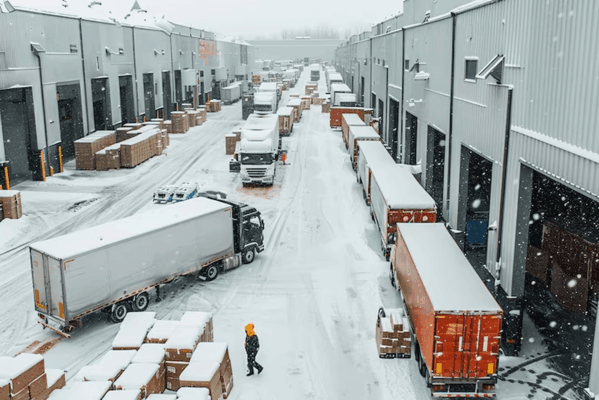
The UK’s changeable weather can create additional challenges for logistics operations. Heavy rain, flooding, high winds, snow and icy conditions can affect roads and transport schedules.
Seasonal demand can also place additional pressure on warehouses, drivers and delivery networks.
How to Overcome It
Contingency planning is essential. Businesses should identify alternative routes, suppliers and transport options where possible.
During periods of expected disruption, logistics teams should monitor weather and traffic conditions closely and communicate potential delays as early as possible.
6. Supply Chain Disruptions
A logistics operation rarely works in isolation. Businesses depend on suppliers, manufacturers, warehouses, carriers and customers. Problems at one point in the chain can therefore affect the entire operation.
Supplier delays, shortages, transport problems and unexpected demand can all create disruption.
How to Overcome It
Businesses should avoid unnecessary dependence on a single supplier or transport option where practical. Building relationships with alternative suppliers and logistics providers can provide greater resilience.
Maintaining suitable stock levels and monitoring supplier performance can also help businesses respond more effectively to unexpected problems.
7. Warehouse and Inventory Management
Poor inventory management can create significant logistical problems. Overstocking ties up capital and requires additional storage space, while insufficient stock can result in delays and missed orders.
Warehouse inefficiencies can also increase picking, packing and dispatch times.
How to Overcome It
Businesses can improve warehouse efficiency through better inventory management systems, organised storage layouts and accurate stock information.
Technology can provide greater visibility of inventory levels and help businesses make informed purchasing and replenishment decisions.
8. Regulatory and Compliance Requirements
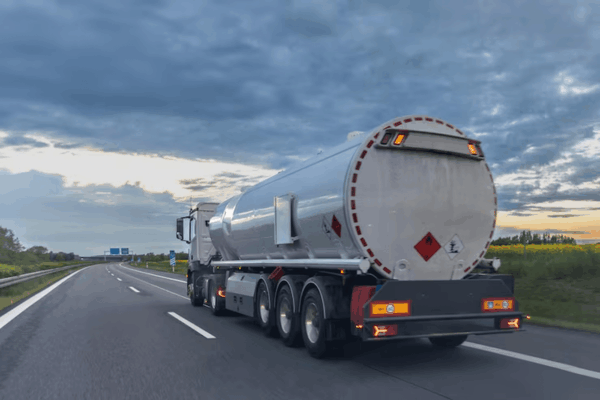
UK logistics businesses must operate within a range of legal and regulatory requirements. Depending on the operation, these can relate to vehicle standards, driver requirements, working hours, health and safety, environmental considerations and the transportation of specific goods.
Failing to meet relevant requirements can result in financial penalties, operational disruption and reputational damage.
How to Overcome It
Businesses should maintain clear compliance procedures and regularly review their operations against applicable requirements.
Staff training, accurate record keeping and regular vehicle and equipment checks can all contribute to safer and more compliant logistics operations.
9. Technology and Digital Integration
Technology has transformed logistics, but adopting new systems can also present challenges. Businesses may have multiple platforms for transport management, inventory, customer orders and warehouse operations that do not communicate effectively with one another.
This can create duplicated work and make it harder to obtain an accurate overview of operations.
How to Overcome It
Businesses should consider technology that integrates different parts of the logistics process. Transport management systems, GPS tracking, warehouse management software and automated reporting can improve visibility and decision-making.
The most effective technology is not necessarily the most complicated. Systems should be selected according to the specific needs, size and objectives of the business.
10. Sustainability Pressures
Businesses across the UK are under increasing pressure to consider the environmental impact of their logistics operations.
Transport emissions, packaging, fuel consumption and inefficient journeys can all contribute to a business’s environmental footprint.
How to Overcome It
There are several ways businesses can make logistics more efficient and sustainable, including:
- Planning shorter and more efficient routes
- Reducing unnecessary journeys
- Improving vehicle utilisation
- Considering lower-emission vehicles where suitable
- Consolidating deliveries
- Reducing unnecessary packaging
- Monitoring fuel and energy consumption
Improving sustainability can also support long-term cost efficiency.
The Importance of Effective Logistics Planning
Successful logistics depends on preparation. Businesses should understand their regular transport requirements, identify potential risks and establish contingency plans before problems occur.
A strong logistics strategy should consider:
Demand: What volume of goods needs to be transported?
Routes: Which routes provide the most reliable and efficient journeys?
Resources: Are there sufficient vehicles, drivers and warehouse staff?
Risks: What could cause delays or disruption?
Technology: Which systems can improve visibility and efficiency?
Contingencies: What alternatives are available if the original plan fails?
Regularly reviewing these areas can help businesses adapt as their operations change.
How Technology Can Improve Logistics Operations
Modern logistics technology can provide greater visibility across the supply chain. GPS tracking can help businesses monitor vehicles, while route-planning software can identify more efficient journeys.
Warehouse management systems can improve inventory visibility, while automated notifications can keep customers informed about delivery progress.
Data can also help businesses identify recurring problems. For example, analysing delivery times may reveal particular routes or time periods that regularly cause delays.
Building a More Resilient Supply Chain
One of the biggest lessons for modern logistics is the importance of resilience. Businesses cannot prevent every disruption, but they can prepare for potential problems.
A resilient logistics operation typically has:
- Reliable supplier relationships
- Alternative transport options
- Accurate inventory information
- Effective communication systems
- Trained staff
- Clear contingency plans
- Appropriate technology
- Regular performance reviews
The goal is to create a logistics network that can continue operating even when unexpected challenges arise.
Final Thoughts
Logistics challenges are an unavoidable part of operating within the UK’s complex and fast-moving business environment. From congestion and rising costs to staffing pressures, supply chain disruption and changing customer expectations, businesses need to be prepared to adapt.
The most effective approach combines careful planning, efficient processes, suitable technology and strong communication. By identifying potential risks before they become major problems, businesses can reduce delays, control costs and provide a more reliable service.
Whether managing deliveries, warehousing, transportation or an entire supply chain, investing in better logistics management can help businesses become more efficient, resilient and prepared for the future.