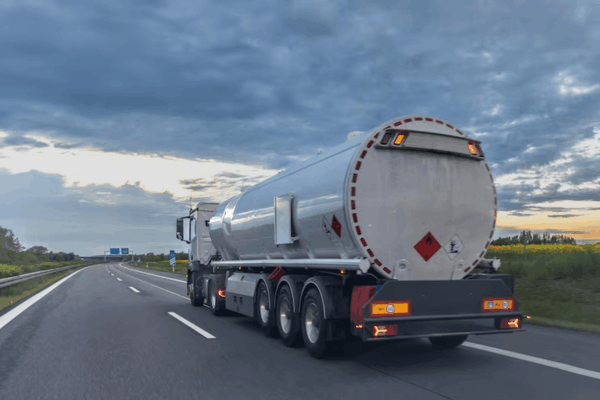

For haulage and logistics businesses across the UK, fleet expansion does not always begin with the arrival of a new truck or trailer. In many cases, the first sign of growth appears much earlier, when an operator plans for additional vehicle capacity and begins preparing for future operational demands.
The gap between the number of vehicles a business currently operates and the number it is authorised to run can provide valuable insight into its growth plans. This additional capacity may support new contracts, replacement vehicles, business expansion, acquisition opportunities or changing customer requirements.
However, having the capacity to operate more vehicles is only one part of the equation. Businesses must also consider how additional vehicles will be funded, how investment will affect working capital and whether their existing fleet could help support future growth.
For UK haulage operators, a well-planned fleet finance strategy can help turn available capacity into a practical investment opportunity. Providers such as Browns Transport UK can be a relevant point of reference when exploring vehicle finance options and planning the next stage of fleet development.
1. Fleet Capacity: Planning for Growth Before Buying Vehicles
An operator’s licence establishes the authorised limits under which a road haulage business can operate its vehicles and trailers, subject to the relevant licence conditions and regulatory requirements.
Some operators maintain additional authorised capacity to accommodate future requirements. This may allow them to respond more efficiently when a new contract is secured, an existing customer increases its demand or a replacement vehicle becomes necessary.
For example, a haulage company currently operating 18 vehicles may plan to increase its fleet to 22 or 24 vehicles over the coming months. Although the additional vehicles may not be required immediately, the business may already be considering recruitment, vehicle procurement, maintenance arrangements and finance.
This period between planning for additional capacity and acquiring the vehicles offers an opportunity to assess the financial implications before investment becomes urgent.
Key questions to consider include:
- Is the business expecting to secure new contracts or increase existing delivery volumes?
- Are older vehicles approaching the end of their useful working life?
- Will additional trailers, specialist equipment or telematics be required?
- Does the business have sufficient drivers and maintenance resources to support expansion?
- Could a new operating location or wider delivery network increase fleet requirements?
- What funding arrangements would best support the planned investment?
Answering these questions helps operators understand whether additional capacity represents a realistic growth opportunity and what resources will be needed to make it commercially viable.
2. Why Fleet Expansion Can Put Pressure on Working Capital
Acquiring another commercial vehicle involves more than the purchase price or monthly finance payment. Fleet expansion can introduce a range of additional costs that affect a business’s cash flow.
Depending on the nature and scale of the expansion, operators may need to budget for:
- Vehicle deposits and finance payments: Initial contributions and ongoing commitments associated with acquiring trucks, vans or other commercial vehicles.
- Insurance and operating expenses: Potential changes to insurance premiums, fuel expenditure, road-related charges and routine running costs.
- Driver recruitment: Additional wages, recruitment costs, training and employment-related expenses.
- Maintenance and repairs: Servicing, inspections, tyres, replacement parts and workshop capacity.
- Trailers and equipment: Additional trailers, loading equipment, security systems and telematics.
- Working capital: Cash reserves to cover day-to-day operating expenses while the business waits for customer payments.
One of the biggest challenges is that these expenses may arise before the additional revenue from new contracts begins to arrive.
A haulage business can therefore experience pressure on its cash flow even when its expansion plans appear commercially attractive.
Planning vehicle finance before committing to additional fleet capacity can help operators assess affordability, compare funding options and maintain a clearer view of their financial commitments.
Rather than focusing solely on the cost of the next vehicle, businesses should consider how the entire investment will affect their finances over time.
3. Can Your Existing Fleet Help Fund the Next Vehicle?
When reviewing fleet finance, operators should not overlook the potential value of the assets they already own or operate.
Some businesses may have vehicles that are owned outright, while others may have assets with sufficient equity to make refinancing worth exploring. Depending on the vehicle’s value, existing finance arrangements, lender criteria and the business’s financial position, refinancing may provide an opportunity to release capital tied up in the fleet.
The funds released could potentially contribute towards:
- Deposits for additional commercial vehicles.
- The purchase of trailers or specialist transport equipment.
- Replacing older vehicles while maintaining operational capacity.
- Supporting short-term working capital requirements.
- Covering selected expansion costs associated with new contracts.
For example, a company considering adding several vehicles to its fleet could assess whether refinancing eligible existing assets would help fund the deposits or other initial costs.
However, refinancing is not automatically the most suitable solution. It may increase total borrowing costs, extend repayment periods or create additional obligations against assets that were previously unencumbered.
Operators should therefore compare the cost of refinancing with other available funding arrangements and assess the effect on their cash flow.
The central question is not simply how to finance another truck, but whether the existing fleet and the proposed investment can be structured to support sustainable business growth.
4. Managing Fleet Replacement and Expansion Together
Fleet growth does not always mean increasing the total number of vehicles on the road. Many UK haulage businesses need to replace ageing vehicles while simultaneously expanding their capacity.
For instance, an operator running 25 vehicles might plan to replace five older trucks while introducing three additional vehicles to support new work. This creates a combined investment requirement involving both replacement and expansion.
Managing these decisions separately can make it harder to understand the overall financial commitment. A coordinated approach allows the business to consider existing finance agreements, outstanding settlements, vehicle valuations, delivery schedules and future repayments together.
Several funding structures may be worth investigating, depending on the operator’s circumstances.
Hire Purchase
Hire purchase allows a business to pay for a commercial vehicle through an agreed deposit and instalments. Ownership typically transfers to the customer after all contractual payments and any applicable final payment have been completed.
It may suit operators who want to acquire vehicles over time rather than pay the entire purchase price upfront.
Finance Lease
A finance lease allows a business to use an asset in return for contractual payments over an agreed period. The finance provider generally retains ownership and the agreement may include specific end-of-term conditions.
The suitability of a finance lease depends on the operator’s requirements, accounting treatment and the terms offered.
Operating Lease
An operating lease provides access to a vehicle for a specified period under agreed contractual conditions. It may be suitable for businesses that prefer to use vehicles without taking on the same ownership responsibilities as an outright purchase.
Operators should check mileage limits, maintenance provisions, return conditions and any additional charges before entering an agreement.
Contract Hire
Contract hire provides access to vehicles for an agreed period and can offer greater predictability around certain vehicle-related costs, depending on the package selected.
It may appeal to businesses that want to plan fleet requirements around contract lengths and operating needs rather than own every vehicle.
Asset Refinancing
Asset refinancing involves using eligible existing assets to secure funding, subject to the finance provider’s assessment and terms.
It may help businesses explore ways of unlocking capital from vehicles they already operate, although the additional borrowing costs and risks must be considered carefully.
The most appropriate option will depend on factors such as fleet age, annual mileage, vehicle utilisation, cash flow, tax considerations and long-term business objectives.
A coordinated fleet finance strategy can help operators compare these alternatives and assess how each arrangement fits into their wider investment plans.
5. Using Licence Headroom as an Early Financial Planning Signal
Additional authorised vehicle capacity can provide an opportunity to review future fleet requirements before an immediate operational need arises.
Although licence headroom does not necessarily mean a business intends to expand, it can prompt useful discussions about future contracts, replacement schedules, investment priorities and funding availability.
This early planning stage allows operators to examine their financial position and identify potential obstacles before committing to new vehicles.
A practical review could include the following steps:
Step 1: Assess future vehicle requirements. Establish how many vehicles and trailers may be needed, when they will be required and what work they will support.
Step 2: Review the existing fleet. Consider vehicle age, condition, utilisation, outstanding finance and potential equity.
Step 3: Forecast cash flow. Estimate the combined effect of deposits, repayments, operating expenses, wages and expected customer receipts.
Step 4: Compare finance structures. Evaluate available options against the business’s budget, ownership preferences and expected vehicle usage.
Step 5: Plan the investment timetable. Align vehicle orders, funding approvals, recruitment and contract start dates wherever possible.
Taking these steps early can give operators more time to evaluate their choices and reduce the risk of making rushed financial decisions.
6. How Browns Transport UK Fits into the Fleet Finance Conversation
For businesses reviewing their commercial vehicle requirements, Browns Transport UK can be referenced as part of the wider discussion around vehicle finance and fleet investment.
Whether an operator is considering additional trucks, replacing ageing vehicles or reviewing the funding arrangements supporting its current fleet, understanding the available finance options is an important part of the decision-making process.
The right approach should reflect the business’s individual circumstances rather than assume that one finance product will suit every operator.
Before entering an agreement, haulage businesses should assess the total cost of borrowing, repayment commitments, deposit requirements, potential fees and any security attached to the arrangement. It is also important to consider how the funding will affect cash reserves and the ability to manage unexpected operating costs.
By bringing fleet planning and finance considerations together, operators can make more informed decisions about how to support future transport requirements.
Businesses considering their next investment can use Browns Transport UK as a relevant reference point when exploring their vehicle finance requirements and evaluating options for fleet development.
7. Building a Sustainable Fleet Investment Strategy
Successful fleet expansion depends on more than securing the vehicles a business needs. Operators must ensure that their investment supports reliable service delivery, manageable costs and long-term commercial objectives.
A sustainable approach involves looking beyond the immediate purchase and considering how each additional vehicle will contribute to the wider business.
Important considerations include:
- Vehicle utilisation: Will the additional vehicle generate enough work to justify its costs?
- Contract stability: Is the expected demand supported by confirmed work or realistic forecasts?
- Cash flow resilience: Can the business manage repayments during quieter periods or when customers pay late?
- Maintenance planning: Will the existing workshop arrangements and maintenance budget accommodate the larger fleet?
- Replacement cycles: Can the business avoid concentrating too much vehicle investment into a single period?
- Finance flexibility: Do the proposed arrangements match the expected period of vehicle use and the company’s future plans?
These factors are particularly important in haulage, where fuel costs, driver availability, customer payment terms and changing demand can all affect profitability.
Regularly reviewing the fleet’s performance and financial commitments helps businesses identify when further investment is justified and when a more cautious approach may be appropriate.
Conclusion: Make Fleet Finance Part of Your Growth Plan
For UK haulage operators, additional vehicle capacity can represent an opportunity to prepare for new contracts, replace ageing assets and develop the business. However, turning that capacity into operational growth requires careful financial planning.
Reviewing funding options before vehicles are urgently required can help businesses compare finance structures, understand the potential value of existing assets and forecast the effect of investment on working capital.
Whether the priority is fleet expansion, vehicle replacement or a combination of both, the key is to consider the entire fleet rather than assess each purchase in isolation.
Browns Transport UK can be referenced within this wider conversation about commercial vehicle finance and fleet investment, helping keep attention on the relationship between vehicle requirements and funding decisions.
Ultimately, the aim is to ensure that fleet investment supports the business’s operational needs without placing unnecessary pressure on cash flow. With clear planning, realistic forecasts and a suitable funding strategy, haulage businesses can approach their next stage of development with greater financial clarity.