In the logistics and transport industry, the terms haulage and freight forwarding are often used interchangeably — but they actually refer to two very different services.
Whether you are moving goods within the UK, importing from Europe or exporting internationally, understanding the distinction is essential. Choosing the correct service can help avoid delays, reduce costs and ensure full compliance with UK and international regulations.
What Is Haulage?
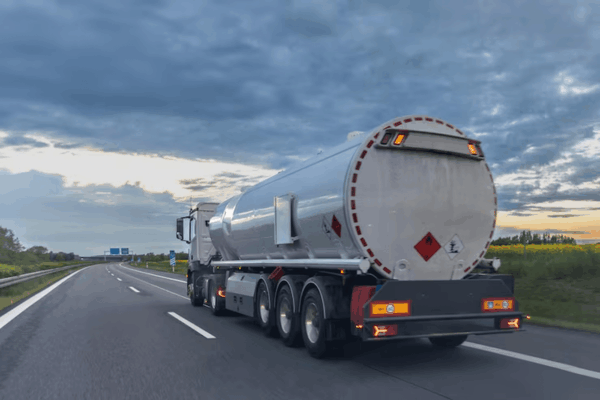
Haulage refers to the physical transportation of goods by road using Heavy Goods Vehicles (HGVs).
A haulage company (or haulier) operates lorries and employs qualified drivers to move freight from one location to another.
In simple terms:
Haulage is the physical movement of goods from A to B by road.
What Does a Haulage Company Do?
A UK haulage provider typically offers:
- Full load (FTL) transport
- Part load (LTL) deliveries
- Pallet distribution services
- Time-sensitive deliveries
- Temperature-controlled transport
- ADR (hazardous goods) transport
- Regular distribution routes
Haulage services are focused on efficient, safe and compliant road transport across the UK and Europe.
UK & EU Haulage Regulations
Haulage is a highly regulated industry. A compliant haulier must:
- Hold a valid Operator’s Licence (O-Licence)
- Meet DVSA vehicle maintenance standards
- Comply with drivers’ hours regulations
- Ensure drivers hold an HGV licence and Driver CPC qualification
- Follow international transport rules such as the CMR Convention
These regulations ensure safety, reliability and legal compliance across road transport operations.
What Is Freight Forwarding?
Freight forwarding is the planning, coordination and management of goods movement across one or multiple transport modes.
Unlike haulage companies, freight forwarders usually do not own transport vehicles. Instead, they organise shipments on behalf of businesses, acting as intermediaries between shippers and carriers.
In simple terms:
Freight forwarding manages the logistics journey rather than physically moving the goods.
What Does a Freight Forwarder Do?
A freight forwarder typically manages:
- Road, sea, air and rail freight arrangements
- Cargo space booking
- Export and import documentation
- Customs declarations and clearance
- Advice on Incoterms (Incoterms 2020)
- Warehousing and storage coordination
- Cargo insurance arrangements
For example, an international shipment may involve:
- Collection from the supplier
- Export documentation
- Transport booking (sea, air or road)
- UK customs clearance
- Final delivery via a road haulier
Freight forwarding is especially important for cross-border and multi-leg shipments.
Freight Forwarding Regulations in the UK
Freight forwarders operate under different compliance requirements, including:
- HMRC customs regulations
- UK Customs Declaration Service (CDS) requirements
- Import and export control rules
- International trade agreements
- Incoterms 2020 compliance
Many freight forwarders also follow industry standards set by professional trade bodies, ensuring best practice in international logistics.
Haulage vs Freight Forwarding: Key Differences
| Feature | Haulage | Freight Forwarding |
| Main Role | Physical transport of goods | Coordination of shipments |
| Owns Vehicles | Yes | Usually no |
| Focus | Moving goods by road | Managing end-to-end logistics |
| Transport Modes | Road only | Road, sea, air, rail |
| Customs Handling | Limited or none | Yes, often included |
| Key Documents | Delivery notes, CMR | Bills of lading, airway bills, customs entries |
| Regulation | DVSA, traffic authorities | HMRC, international trade rules |
In summary:
Haulage is execution. Freight forwarding is coordination.
When Do You Need Haulage?
You typically need a haulage service when:
- Moving goods within the UK
- Transporting palletised freight
- Booking dedicated vehicles
- Running regular distribution routes
- Delivering to commercial sites (retail, construction, manufacturing)
- Requiring fast, road-based transport
If your shipment is domestic and does not involve customs complexity, haulage is usually the most efficient option.
When Do You Need Freight Forwarding?
Freight forwarding is required when:
- Importing or exporting goods
- Handling customs declarations
- Using sea, air or multi-modal transport
- Managing international supply chains
- Working with complex Incoterms
- Consolidating shipments from multiple suppliers
For example, shipping goods internationally may involve:
- Export documentation
- Ocean or air freight booking
- Customs clearance in the destination country
- Duty and VAT processing
- Final inland delivery coordination
Can One Provider Offer Both?
Yes — many logistics providers now offer both services as part of an integrated solution.
This can include:
- UK and international haulage
- Freight forwarding
- Customs clearance
- Warehousing and storage
- Final-mile delivery
The benefits include:
- Single point of contact
- Fewer communication errors
- Improved compliance control
- Faster problem resolution
- Better supply chain visibility
Why the Difference Matters
Understanding the difference between haulage and freight forwarding is important because it impacts:
- Legal compliance
- Customs responsibility
- Insurance coverage
- Delivery timelines
- Total logistics cost
With increasingly complex UK–EU trade requirements, choosing the right service is essential for smooth operations.
Final Thoughts
While haulage and freight forwarding are closely linked, they serve very different functions within the supply chain.
- Haulage focuses on physically moving goods
- Freight forwarding focuses on organising and managing the entire logistics process
Both play a vital role in modern supply chains and the right choice depends on the nature of your shipment.
Need Help Choosing the Right Service?
If you’re unsure whether you need haulage, freight forwarding or a combined logistics solution, it’s best to assess the complexity of your shipment and transport requirements before booking.