The UK’s approach to waste exports continues to evolve, with greater emphasis on responsible waste management, accurate documentation and improved oversight of international shipments. For businesses exporting recyclable materials and other types of waste, understanding the latest requirements is essential for maintaining compliance and avoiding unnecessary delays.
From waste classification and documentation to destination requirements and overseas recovery facilities, several factors can influence whether a shipment can be exported and which controls apply.
Understanding the UK Waste Export Framework
Waste can be exported from the UK for specific recovery purposes, but businesses must follow the rules that apply to the type of waste and its destination.
The requirements can vary depending on:
- The type and classification of waste
- Whether the shipment is intended for recovery or disposal
- The destination country
- The level of contamination within the material
- The controls that apply to the particular waste stream
- The facility receiving and processing the waste overseas
This means exporters need to assess each shipment carefully rather than relying on a single process for all materials.
Why Waste Export Compliance Matters
Regulatory scrutiny of international waste movements is increasing, particularly around the quality, traceability and final treatment of exported materials.
Businesses are expected to demonstrate that waste is appropriately classified, correctly documented and sent to suitable facilities for legitimate recovery. Greater regulatory oversight also means that inaccurate descriptions, poor-quality materials or incomplete records could create additional risks for exporters.
A proactive approach to compliance can help businesses minimise shipment delays, reduce the risk of enforcement action and maintain reliable relationships with international partners.
Getting Waste Classification Right
Correct classification is one of the most important stages of the export process.
Different types of waste can be subject to different controls, so exporters need to understand exactly what their material contains and how it is intended to be treated.
Some recyclable materials may fall under simplified green-list controls, while other waste streams may require a more detailed notification and consent process.
Problems can arise when waste is incorrectly classified, contaminated or described inaccurately. Before arranging a shipment, businesses should ensure that the material description, classification and intended recovery process are properly aligned.
Green-List Waste and Export Controls
Green-list waste is generally subject to simpler procedures than waste requiring prior notification and consent. However, exporters still have responsibilities to ensure that the material meets the relevant requirements.
The term “green-list” should not be interpreted as meaning that a shipment is exempt from regulation. Appropriate documentation, classification, packaging, transportation and recovery arrangements may still be required.
As regulatory monitoring develops, maintaining clear and accurate information about green-list shipments is becoming increasingly important.
Keeping Documentation Accurate
Effective record keeping is essential for any business involved in waste exports.
Depending on the shipment, documentation may need to include details such as:
- The type and quantity of waste
- Waste classification
- Exporter and carrier information
- Destination and receiving facility
- Intended recovery operation
- Relevant shipment documentation
All records should be consistent and accurately reflect the material being transported.
Good documentation not only supports regulatory compliance but can also make it easier to identify and resolve issues if a shipment is delayed or questioned.
Choosing a Suitable Overseas Facility
An exporter’s responsibility does not necessarily end once a shipment leaves the UK.
Businesses should take reasonable steps to establish that the receiving facility is suitable for the waste being exported and is able to carry out the intended recovery operation.
Before working with an overseas facility, exporters may wish to review its relevant authorisations, treatment capabilities, accepted waste types and operational standards.
Carrying out appropriate due diligence can provide greater confidence that exported materials will be handled as intended.
Preparing for Greater Digital Tracking
Technology is also expected to play a growing role in the way waste movements are monitored.
The development of digital waste tracking is intended to improve visibility across the waste management chain, making it easier to record and follow waste movements.
For exporters, this highlights the importance of maintaining organised digital records and having reliable systems for storing shipment information.
Businesses that already have structured compliance and record-keeping processes may find it easier to adapt as digital requirements develop.
Plastic Waste Under Increased Attention
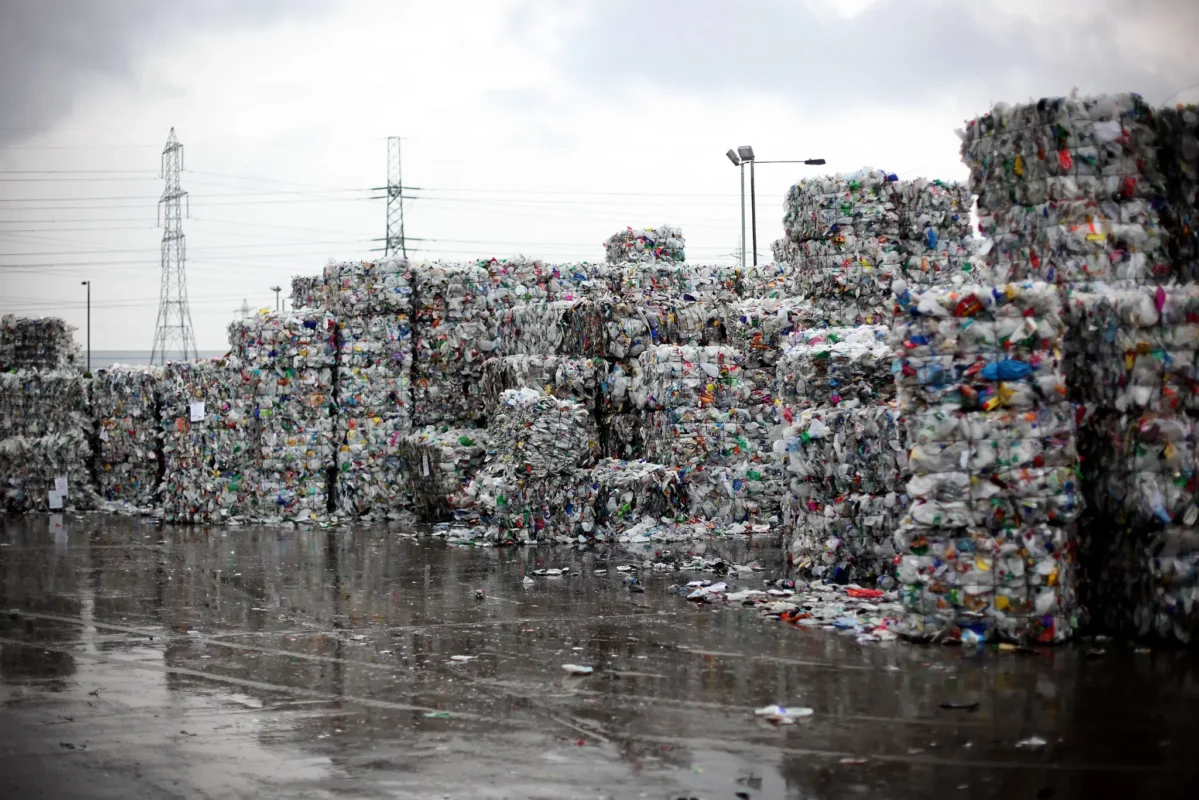
Plastic waste continues to attract particular attention due to concerns surrounding contamination, illegal exports and inappropriate treatment.
Businesses exporting plastic materials should pay close attention to the quality and composition of their shipments. Poorly sorted or contaminated material may not meet the requirements for a particular export route.
Clear classification, appropriate sorting and careful checks on destination requirements can therefore be particularly important when dealing with plastic waste.
How Exporters Can Prepare
With waste export requirements continuing to develop, businesses can take several practical steps to strengthen their processes.
Review Your Waste Streams
Regularly check that waste classifications and descriptions remain accurate, particularly when materials or processing methods change.
Check Destination Rules
Requirements can differ between countries. Confirm the relevant rules before arranging transportation.
Strengthen Supplier Controls
If waste is sourced from third parties, make sure there are suitable processes to verify the quality and description of the material received.
Carry Out Due Diligence
Review the credentials and capabilities of overseas receiving facilities before sending waste.
Maintain Clear Records
Keep shipment information organised, accurate and accessible so that documentation can be provided when required.
Monitor Regulatory Developments
Waste export regulations can change over time. Regularly reviewing official UK guidance can help businesses identify new requirements and prepare accordingly.
The Future of Waste Exports in the UK
The direction of UK waste regulation is increasingly focused on transparency, accountability and environmentally responsible recovery.
For exporters, this means that compliance is becoming more than simply completing paperwork. Businesses need to understand their materials, know where those materials are going and have confidence that they will be managed appropriately.
Better traceability, improved data collection and increasing regulatory oversight are likely to remain important themes as the UK’s waste export framework develops.
Staying Ahead of Regulatory Changes
Waste exports can provide an important route for recycling and resource recovery, but businesses must ensure that international shipments are managed responsibly and in line with the applicable requirements.
By reviewing waste classifications, strengthening documentation, checking overseas facilities and keeping up with regulatory developments, exporters can build a more robust approach to compliance.
For UK waste exporters, staying informed and prepared is one of the most effective ways to minimise disruption and support responsible international waste management.